Wafers and hosts: the same bread, two words
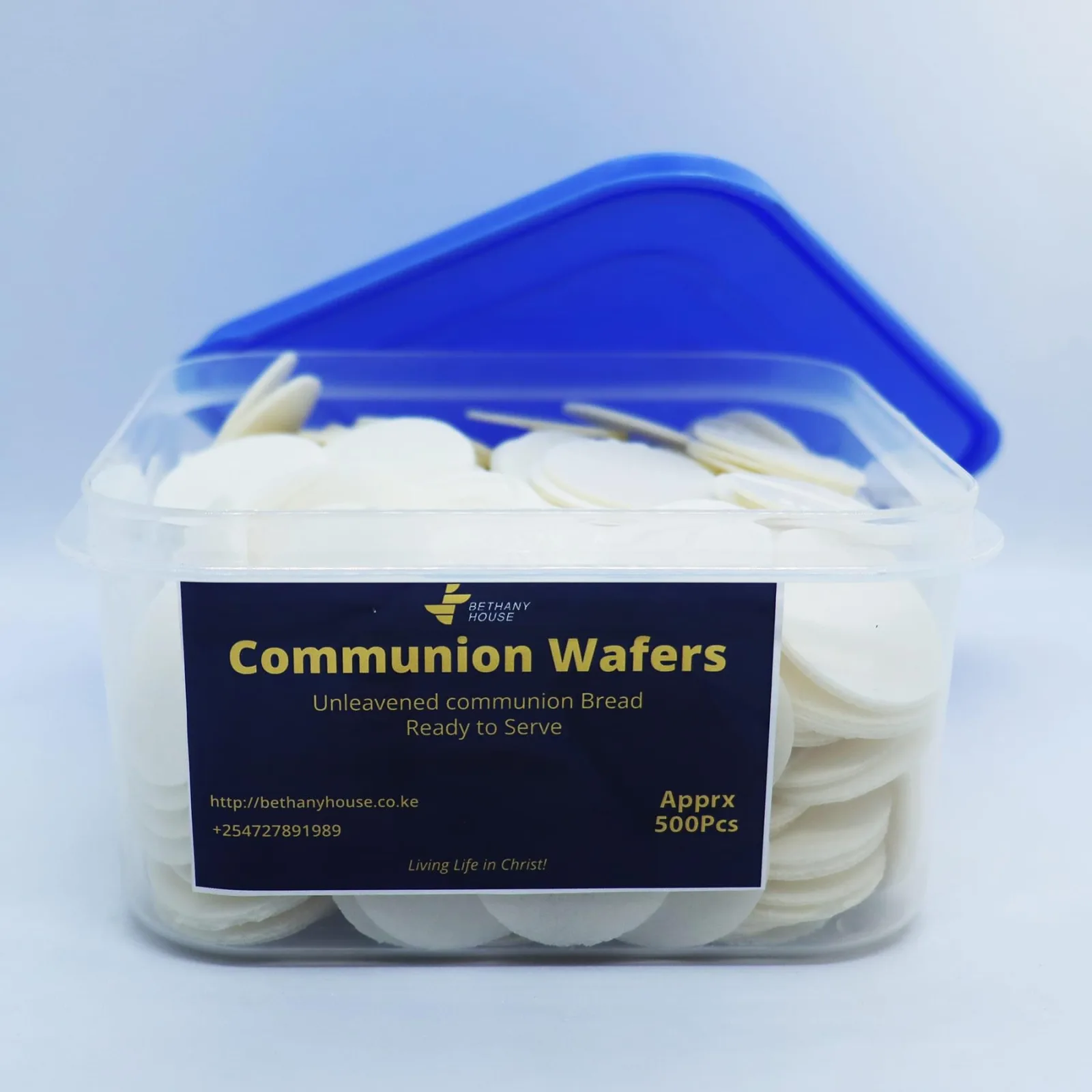
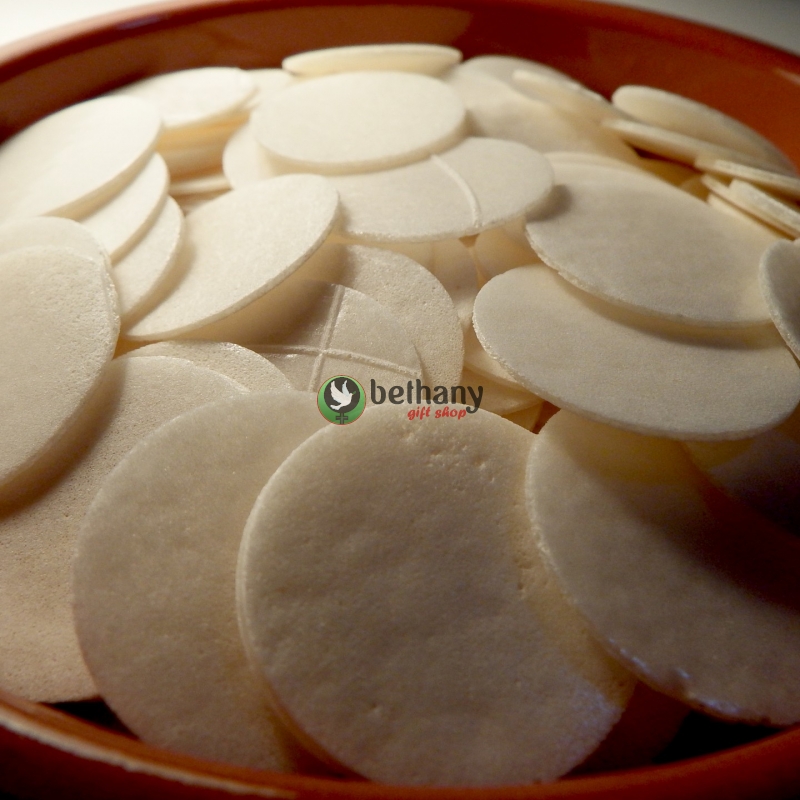
Both words describe unleavened communion bread. "Host" is the older, more liturgical term (from the Latin hostia, an offering) and usually refers to the plain round white bread of the Eucharist — ours measure about 1⅛ inches across. "Wafer" is the everyday word for the same thing. Churches of every tradition use them interchangeably; nothing doctrinal hangs on the word.
What matters practically is the count per pack. We stock communion bread in 200-piece, 500-piece and 1,000-piece packs, so a small fellowship and a congregation of thousands can both order exactly what a season needs.
How much to order
The working rule is simple: one piece per communicant, plus a margin of about ten percent for visitors, servers and breakage. A congregation of 150 taking communion monthly uses roughly 165 pieces a service — a 200-piece pack per month, or a 1,000-piece box each half year. A church of 800 is better served by the 1,000-piece pack per service.
If your church serves weekly, multiply accordingly and lean on the larger packs — the price per piece falls as the pack grows, and airtight boxes keep the later packs fresh.
Storing communion bread well
Communion wafers keep best sealed, cool and dry. Ours ship in airtight boxes; between services, an airtight bread container keeps opened stock fresh and reverently covered from preparation through distribution, and stacks neatly in the vestry.
The cup beside the bread
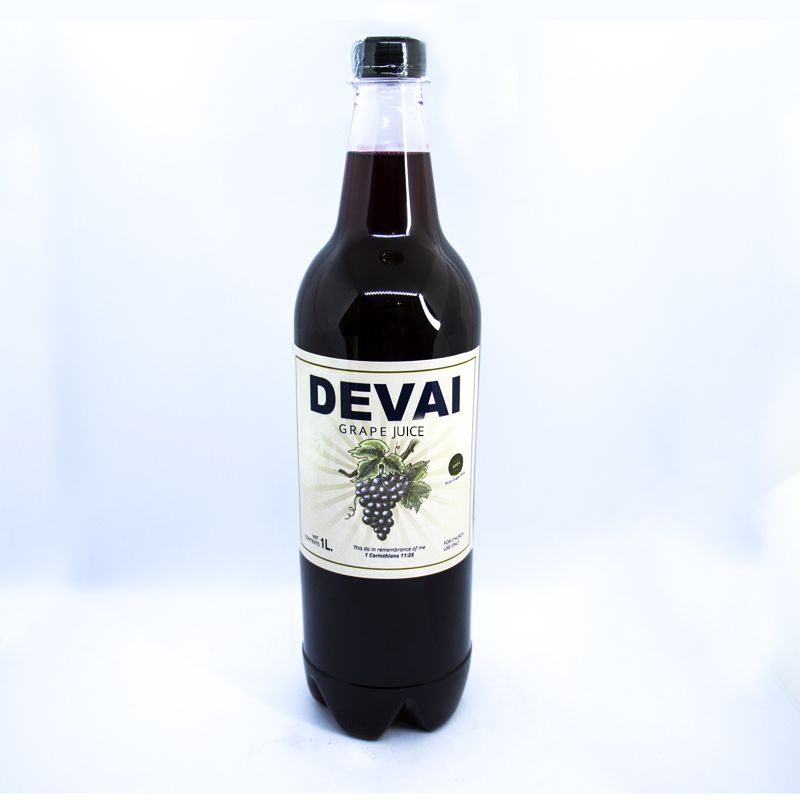
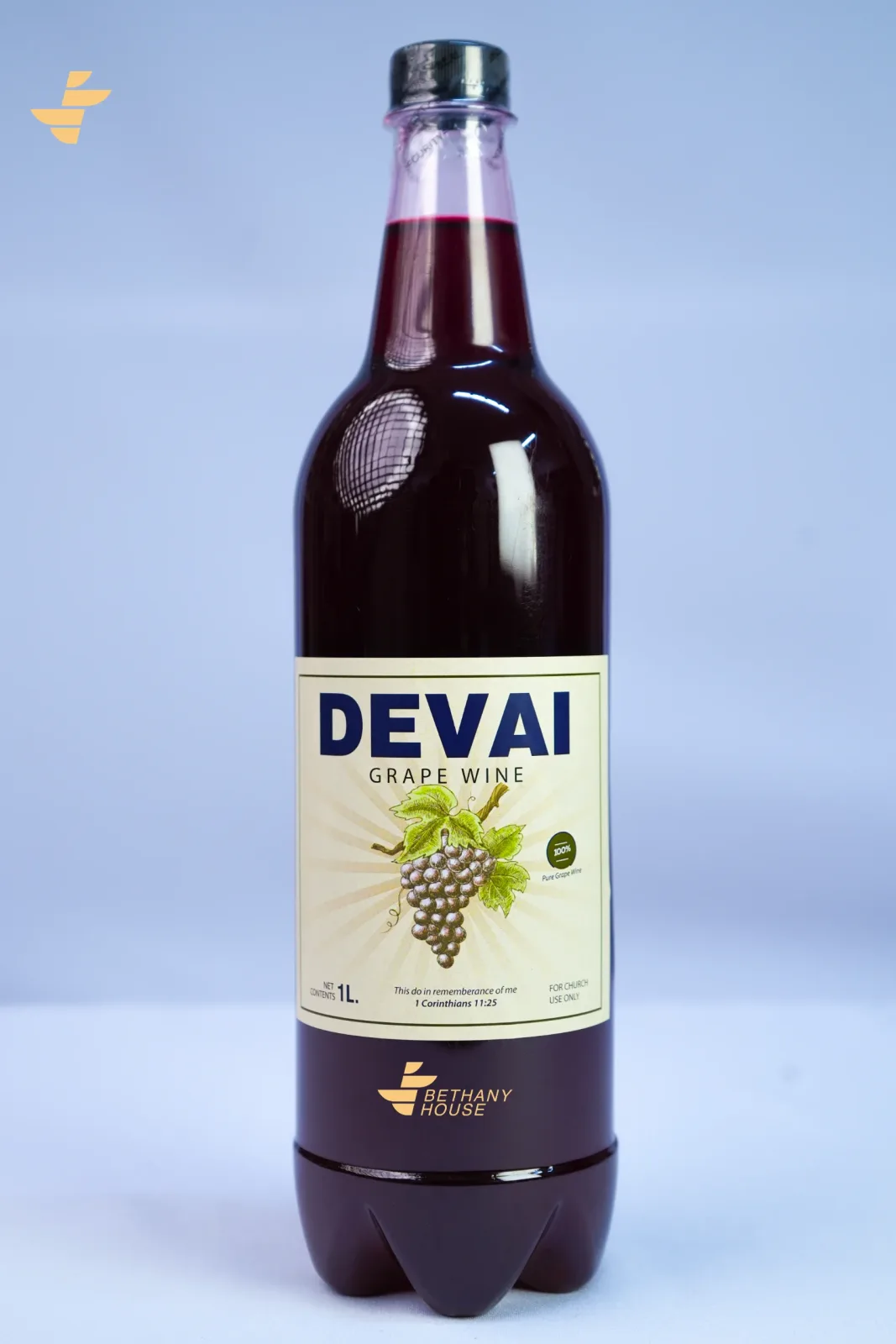
The Table needs both elements. We stock altar wine and unfermented grape juice side by side, so churches that use wine and churches that use juice are equally served — alongside trays, cups, chalices and refiller bottles that do the pouring without a drop spilled. If you are restocking bread, it is worth checking the cup's supplies in the same order and saving a delivery.