A sign the Bible already spoke
Scripture reaches for the ring whenever it wants to speak of covenant, authority and belonging. Pharaoh set his signet ring on Joseph's hand to seal delegated authority (Genesis 41:42). The father in the parable of the prodigal son called for a ring to mark restored sonship (Luke 15:22). And the Lord told Zerubbabel, "I will make you like my signet ring, for I have chosen you" (Haggai 2:23).
When the church places a ring on a bishop's hand, it is speaking that same language: this person is sealed to a charge, chosen for a work, bound in covenant.
What the covenant ring signifies
The bishop's ring is often described as a wedding band of ministry — the shepherd wedded in fidelity to the church and its people. Where a wedding ring says "bound to one spouse," the episcopal ring says "bound to one flock." It is worn daily, not only in vestments, precisely because the covenant does not end when the service does.
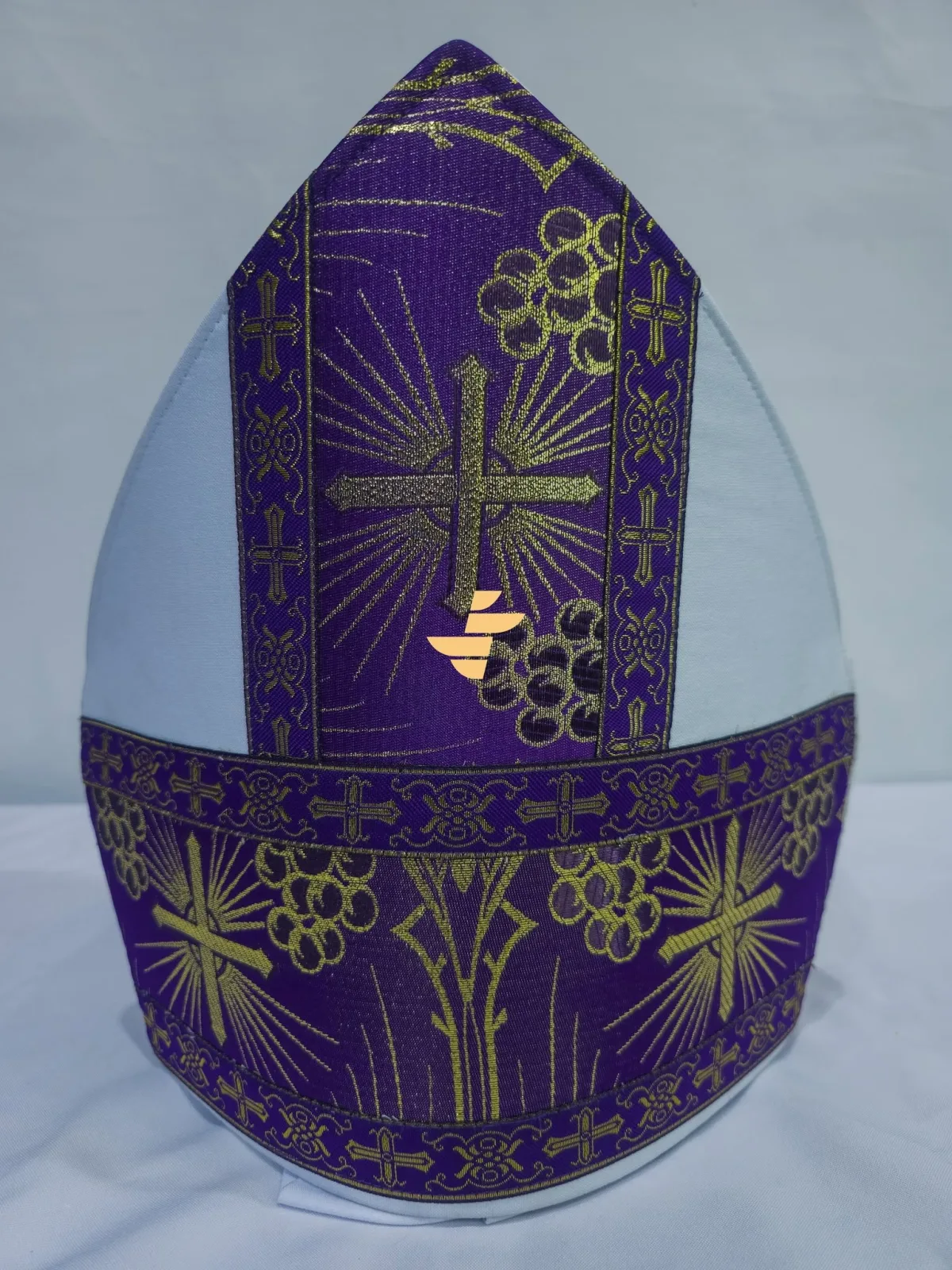
In many traditions the ring is presented at consecration alongside the other marks of the office — the pectoral cross at the chest, the mitre, and the crozier or shepherd's staff in the hand. Each carries its own meaning; the ring's is fidelity.
Who wears one
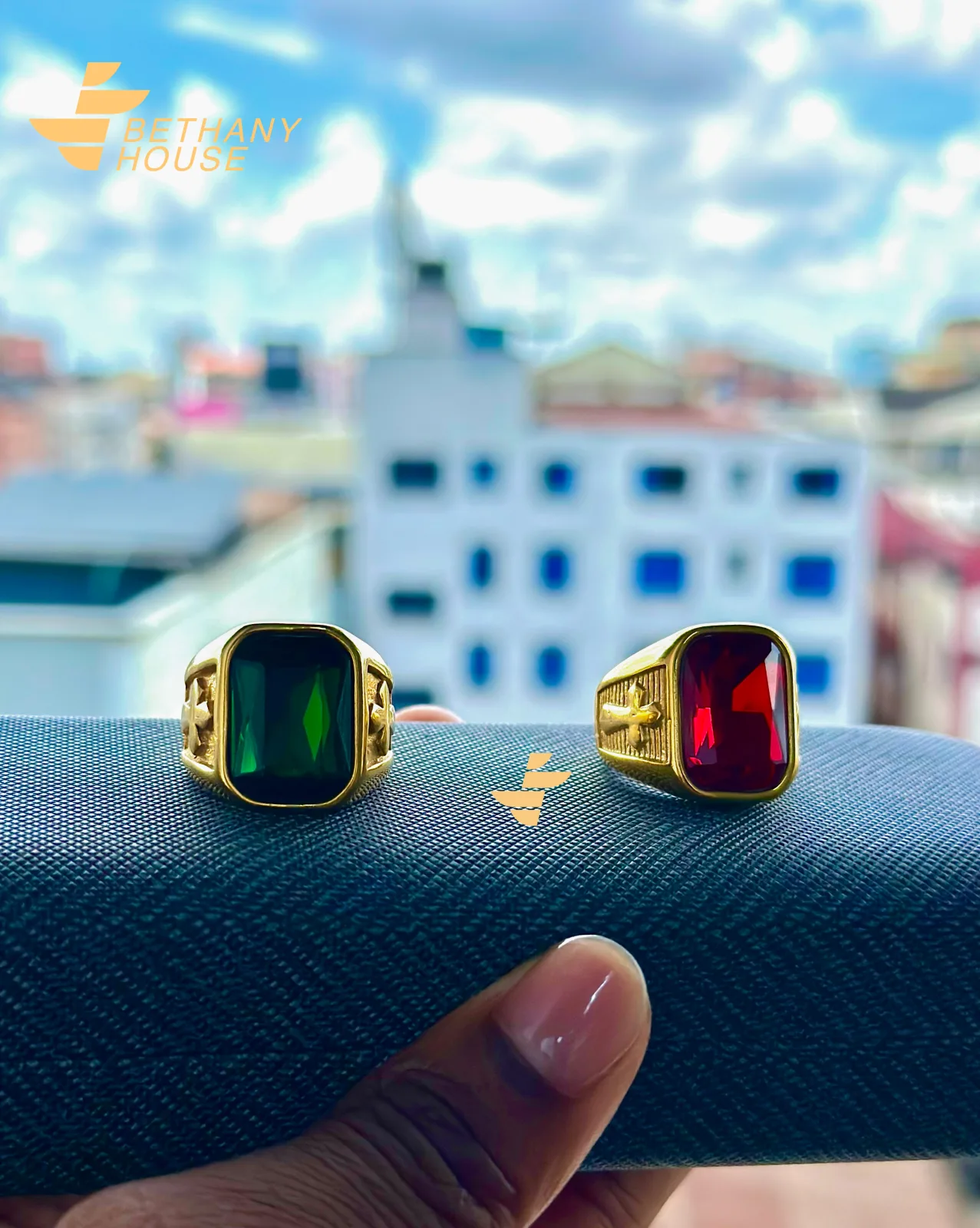
Bishops first — but not bishops only. Apostles, overseers and senior ministers in many African church traditions receive a ring at their elevation, and the apostolic ring has become a dignified emblem of covenant and commission across denominations. What matters is not the tradition's name but what the church intends the ring to say.
Choosing a covenant ring in Kenya
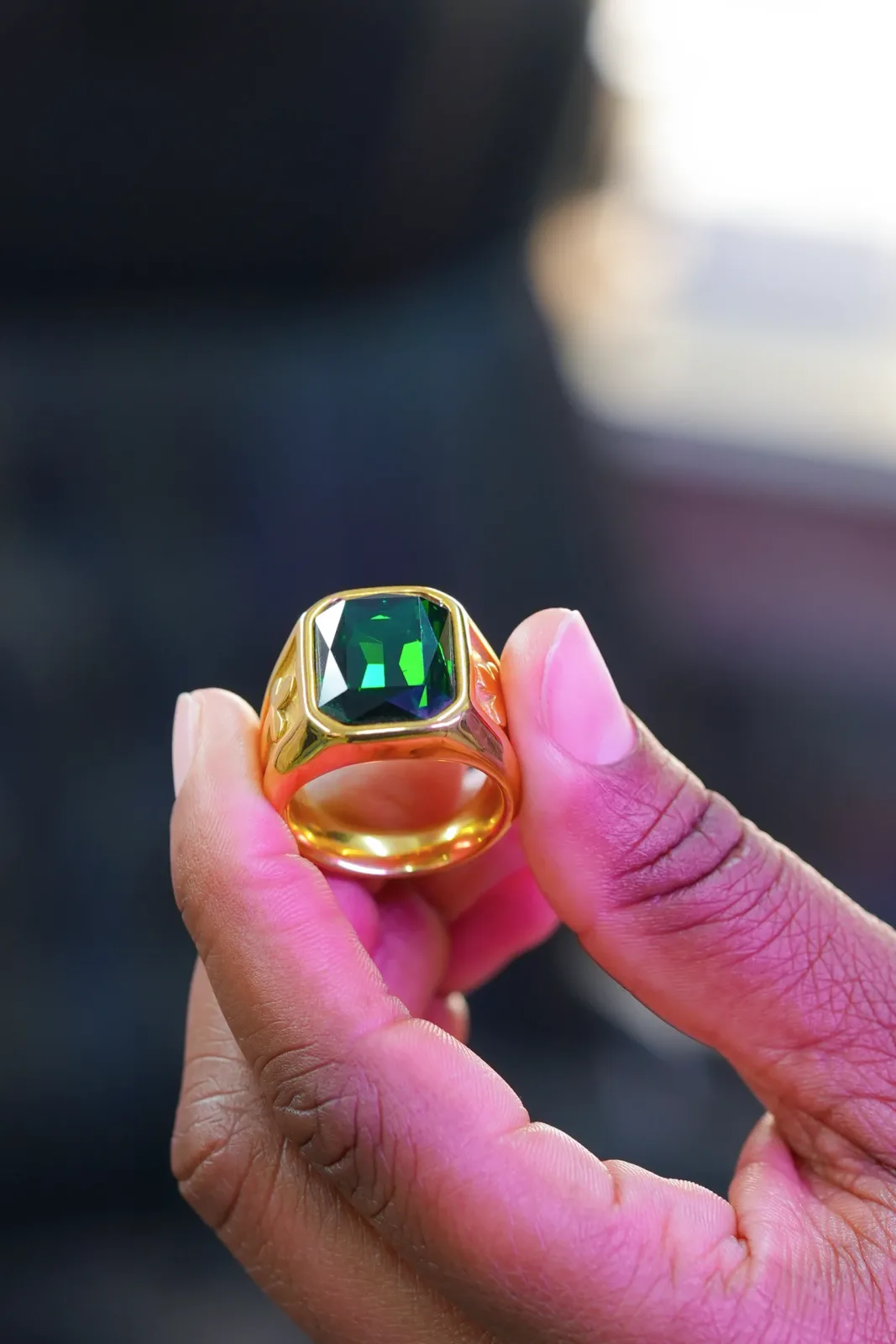
Two questions settle most choices. First, the office: a bishopric ring tends toward the classic band or signet form, while apostolic rings often carry a cross or emblem face. Second, the fit: rings are worn daily for years, so sizing matters more than with any other regalia — we stock bishopric rings in all sizes and fit them in store at Moi Avenue, Nairobi.
Both our bishopric and apostolic rings are stocked in Nairobi and delivered across Kenya, East Africa and worldwide on request — many are bought by congregations as consecration gifts, presented on the day itself.