The four working colours
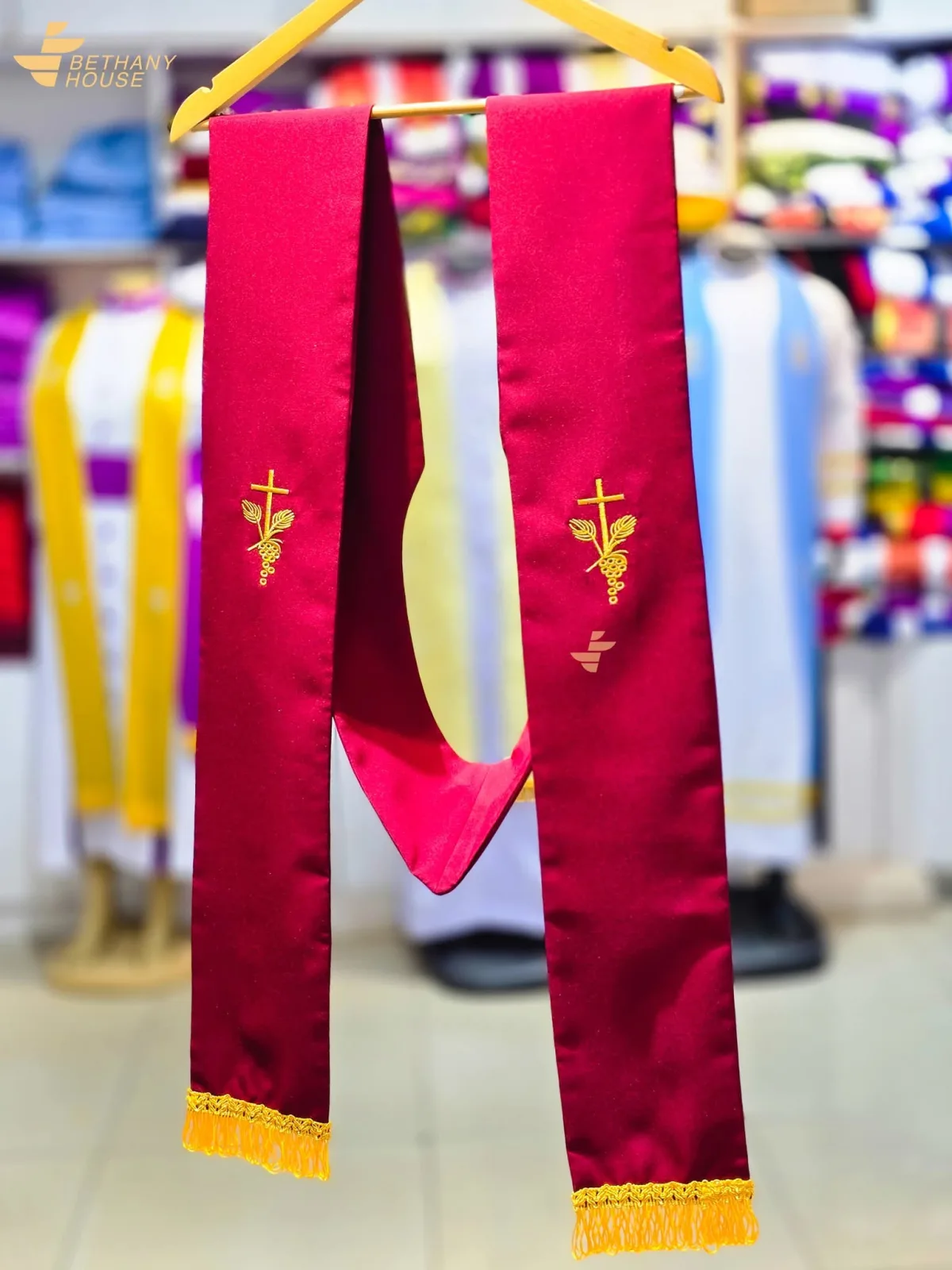
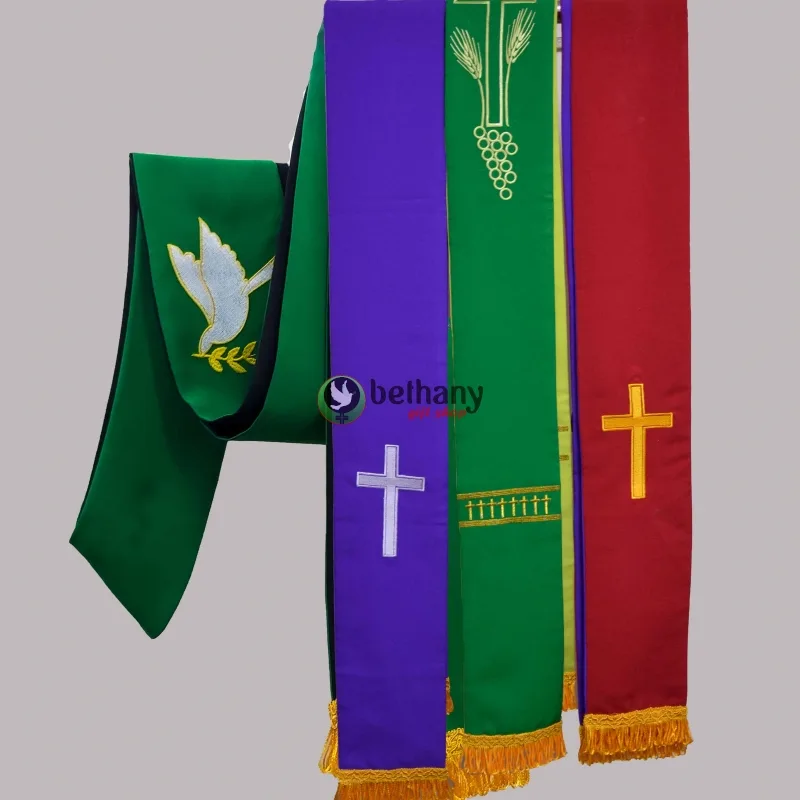
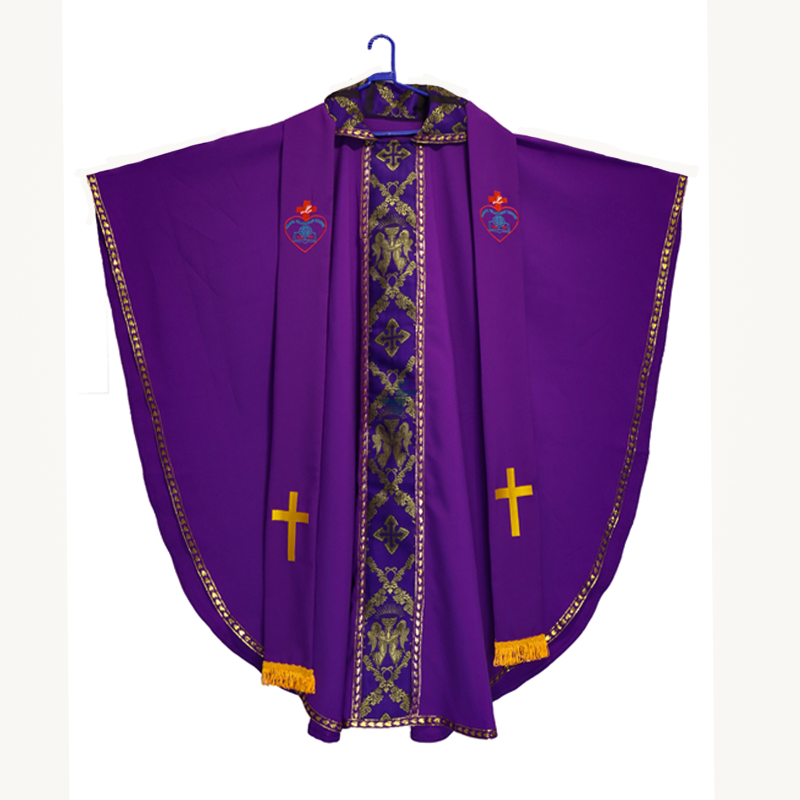
Purple (or violet) is the colour of preparation and penitence — Advent and Lent, the church's two seasons of waiting. White (with gold as its festal cousin) belongs to the great feasts: Christmas, Easter, weddings and celebration Sundays. Red is the colour of the Holy Spirit and of the martyrs — Pentecost above all, and in many churches ordinations, confirmations and commissioning services. Green is ordinary time: the long growing season of the church between the feasts.
Traditions differ at the edges — some use blue in Advent, some wear red for Palm Sunday — so the final authority is always your own church's calendar. But the four working colours above serve the wide centre of practice across denominations.
Where the colour actually appears
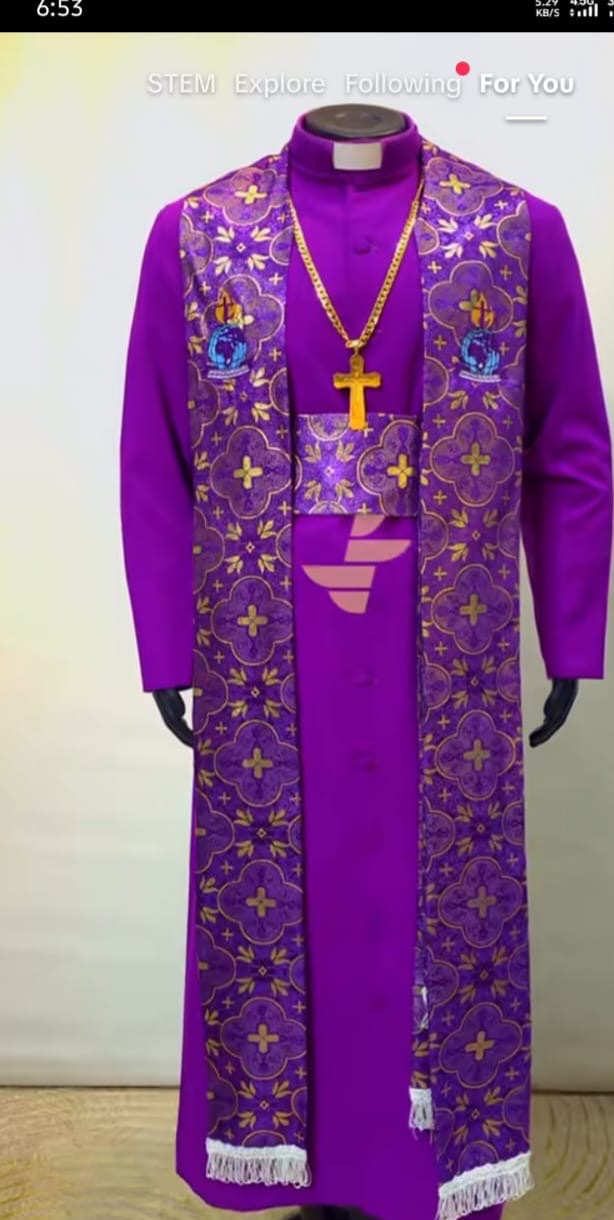
For most ministers the season rides on the stole — the long band of cloth that is the badge of ordained ministry. A full set of stoles in the four colours equips a minister for the whole year. Chasubles and copes carry the colour for celebrants and bishops at the Eucharist and in procession; cassocks beneath them usually stay constant (black most days, white for festal seasons and warm climates).
Building a vestry wardrobe without buying everything
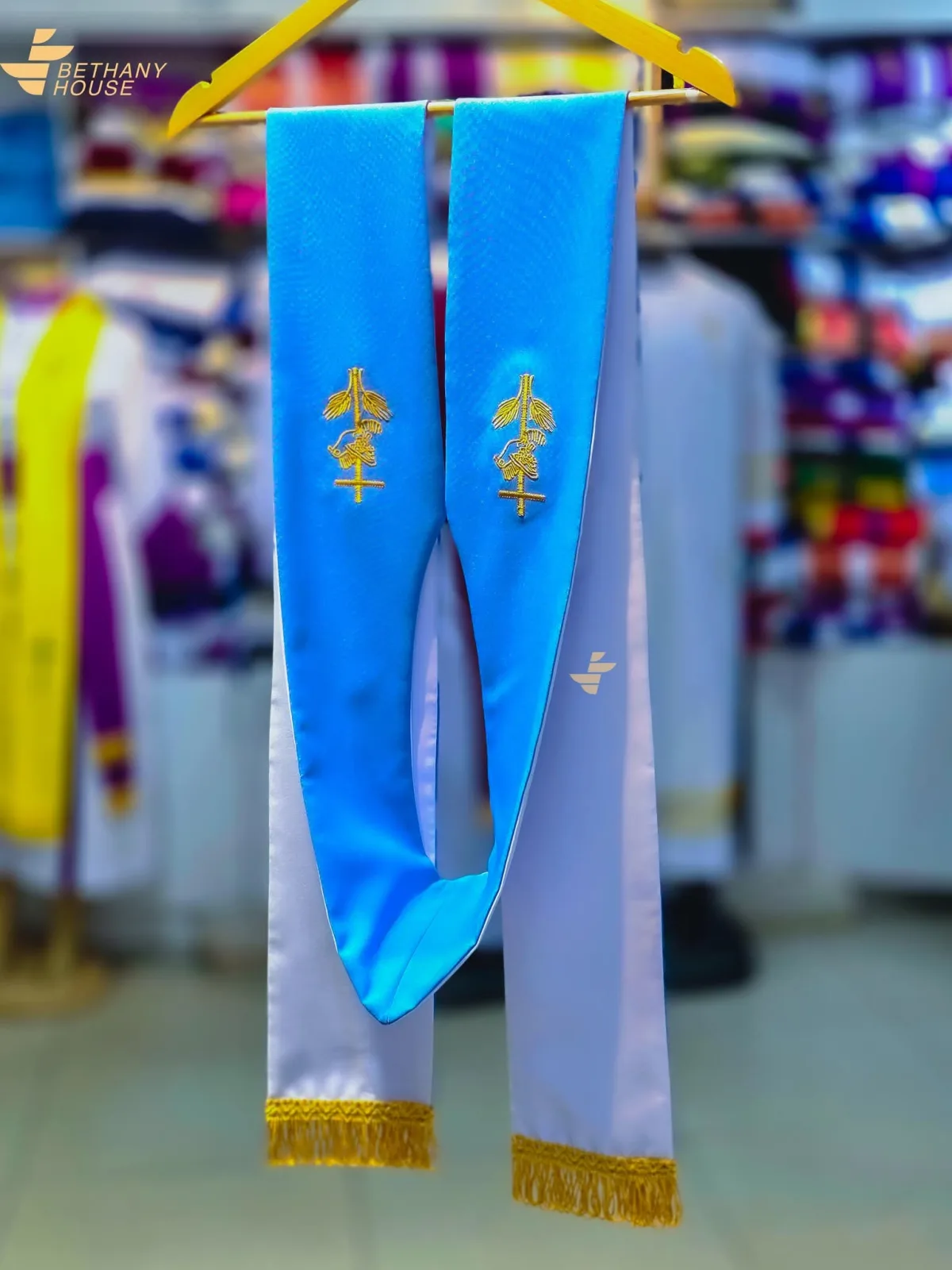
Two purchases stretch furthest. First, the double-sided stole: finished in a different liturgical colour on each face, it flips from one season to the next — two seasons, one stole. Second, made-to-measure basics: a well-fitted cassock or alb under changing stoles serves every season, and ours are sewn to your measurements in our Nairobi workshop in 5–7 days.
From there, add by season of heaviest use: a red stole before ordination season, white before Christmas and Easter, and the chasuble when the church's liturgy calls for one.